I say I am a contemporary artist, but what is that, exactly? In my experience, you know contemporary art when you see it–or rather, feel it.. More often than not, contemporary art brings up strong feelings, some positive, some negative, some uncategorizable. Feelings, for example, of solidarity, empathy, curiosity, confusion, as well as disgust, rage, revulsion—among many, many other feels.
So what is a unifying factor that helps to corral such a vast range of expressions and experiences under one umbrella?
On the one hand, contemporary art is, well, contemporary. It is art that is or has been completed in a relatively current timeframe. What is considered “current” varies—maybe for some it is art made in the last 20 or 30 years. Or maybe for some “current” means a span of the last five or ten years at most. I remember reading once in a text book that 20 years is the span that makes work contemporary. The Walker Art Center in Minneapolis defines contemporary as art made by living artists. If an artist dies, then, does the work move into a different category? More often, however, institutions leave the definitions to text books and academics.
For my part, I don’t have a strict box for contemporary. Just like its sister label, “modern art”, contemporary art overflows the bounds of a strict timeline and speaks to a set of priorities held by the artist.
I have come up with my own definition of contemporary art, gleaned from my time spent at art school, wandering through art institutions, and now my work bringing in contemporary art as a curator at The Public Brewhouse and Gallery. For me, along with work that is current, “contemporary art” is also work that prioritizes two things: concept and/or process.
When I say contemporary art prioritizes concepts, I mean that ideas are significantly weighted alongside more traditional art considerations like aesthetics. In other words, aesthetic considerations, like visual language, materials, and design choices are in service of the concept. For some concepts it might be important to have a technically masterful painting—however, other concepts might require a total disregard of painting traditions and techniques.
In a similar way contemporary artists might center their practice on process rather than outcome. The final work may or may not be something you would hang over your couch, but it is work that is the outcome of a series of chosen actions. The artist might not care if their work is technically perfect, or aesthetically pleasing.
Looking at contemporary art can be hard work. It isn’t always fun, enjoyable, or even an experience you can integrate. Understanding and accepting that this can be part of the intended experience can help to open up what can sometimes be an inaccessible world–and I think expand our own personal capacity to move and live in this complex society.
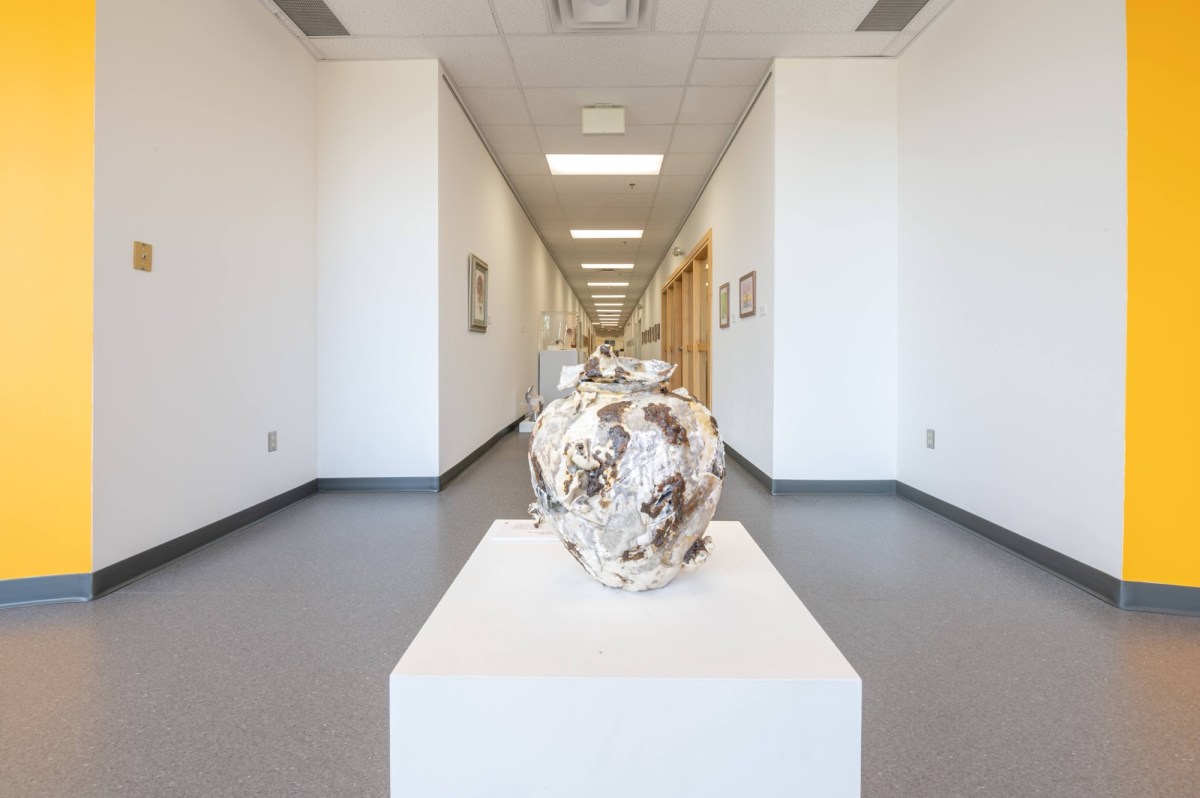
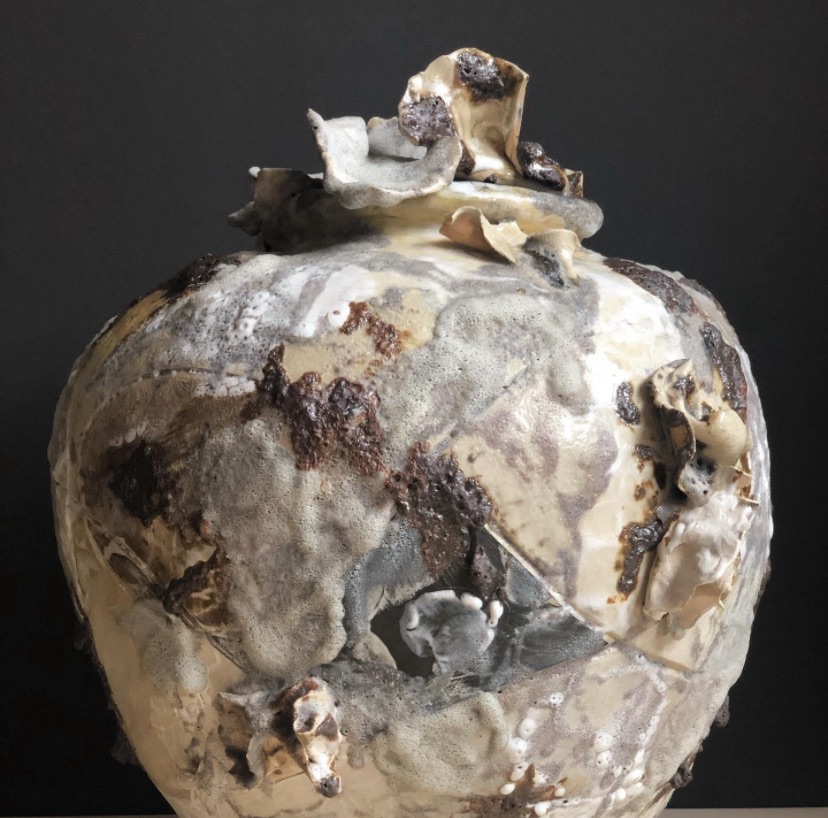
 Alexandra Ross Works